
Victoria Park Barrambin:
A Documented Cultural Landscape
Barrambin Victoria Park’s cultural significance is not a new claim and it has not appeared suddenly in response to a stadium proposal. For generations, Barrambin, York’s Hollow and Victoria Park have been recognised in historical records, newspaper reports, academic publications, government documents, public statements and community advocacy as places of deep importance to First Nations people.
This page brings together quotes and references from politicians, historians, journalists, researchers, government sources, publications and community voices that speak to the cultural significance of Barrambin Victoria Park.
Together, they form a clear public record: Barrambin is not empty or interchangeable land. It is one of Brisbane’s most important cultural landscapes, and its significance has been documented, discussed and acknowledged over many years.
Elders
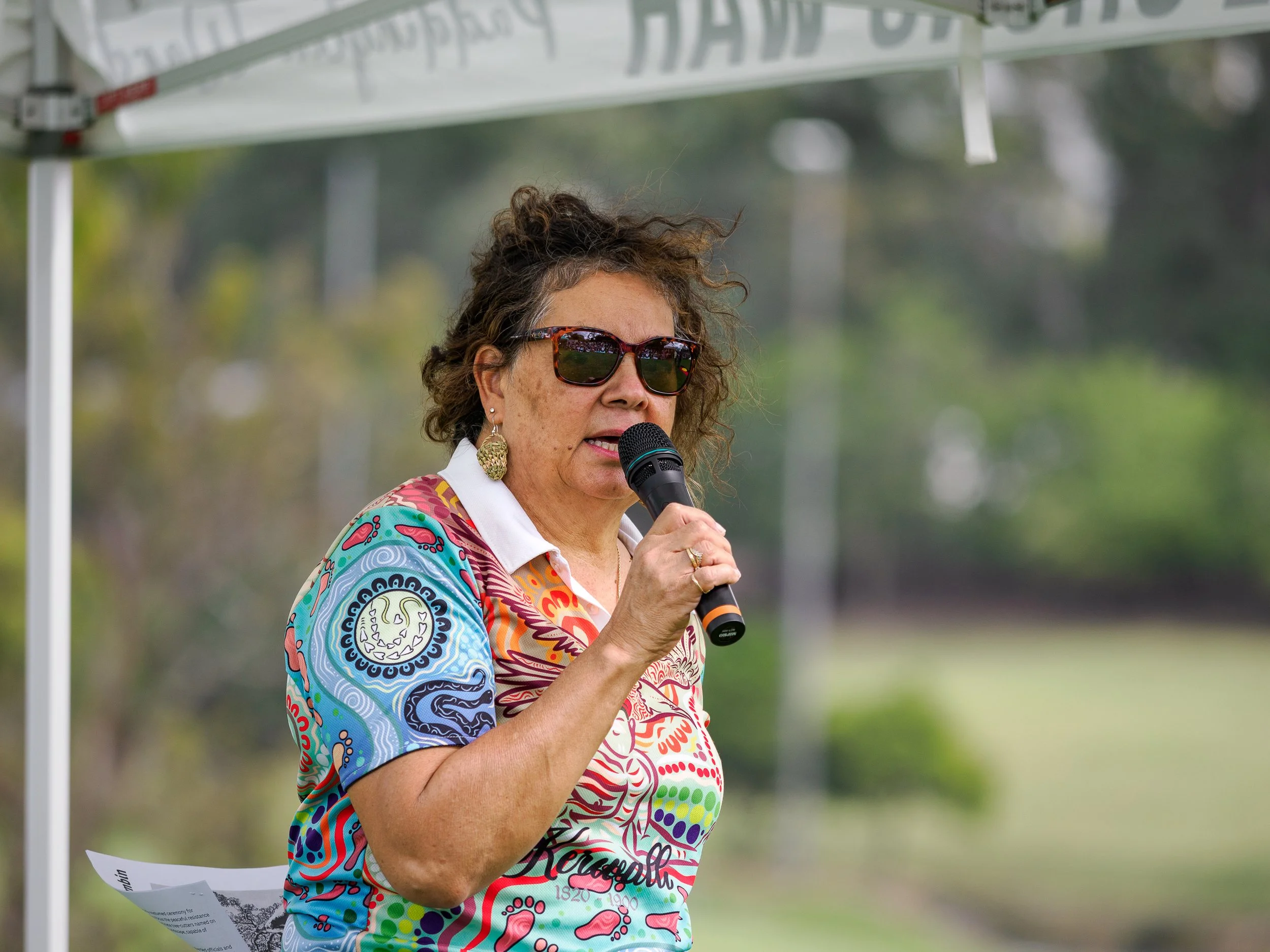
Gaja Kerry Charlton
Recognised Elder, tertiary qualified school teacher, Aboriginal linguist, award winning podcaster, counsellor, Brisbane NAIDOC Elder of the Year
“For we Goori people, Barrambin is living Country, possessing sacred, ancient and significant relationships within our cultural heritage systems… We are very concerned there are ancient trees, artefacts and very important eco-systems existing there. There may be ancestral remains. We stand resolute in our responsibility to protect it.”
(August 2025)
Source: Section 10 media release

Aunty Sandra King OAM
Recognised Elder
“This special part of Brisbane has been a major camp and a place for ceremony and corroboree for thousands of years. Our stories, our traditions are in the ground here - in the vegetation, the trees, the lakes, the hills. Barrambin is one of the last locations of untouched beauty and cultural heritage in this city - and we hold on to that. It is irreplaceable.”
(September 2025)
Source: Section 10 media release
Politicians

Murray Watt
Federal Minister for the Environment and Water
“What I've found is that the area that [sic] concerned does have cultural significance to local indigenous people. It is... long-term burial sites. There's all sorts of ceremonies that continue to occur in particular parts of this park to this day. So I was satisfied that there is cultural significance”
(January 2026)
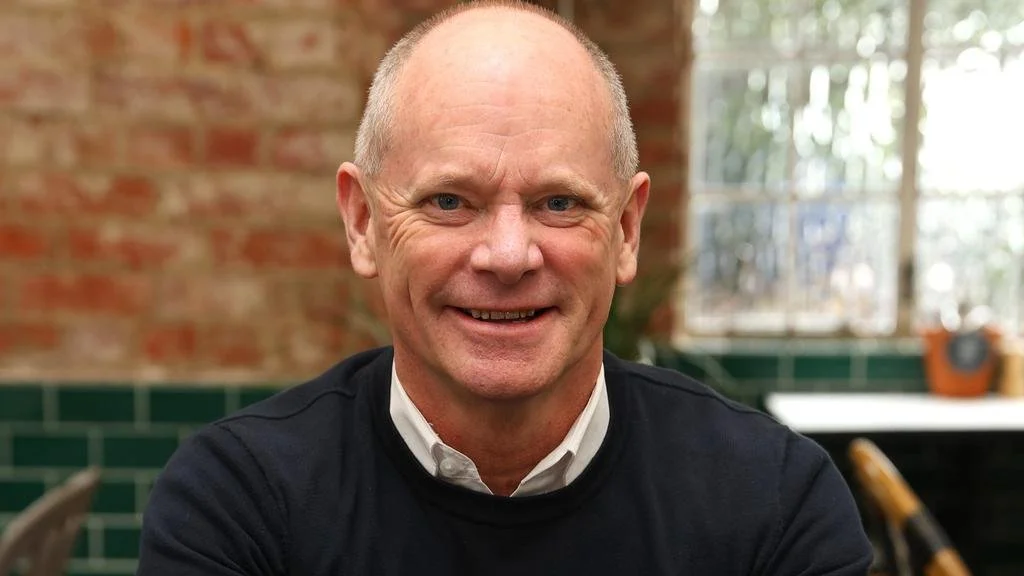
Campbell Newman
Former Brisbane Lord Mayor and Queensland Premier
“I have read over 35 years that I’ve lived in Brisbane a lot of books about early Brisbane and I didn’t have to be told that. I knew that York’s Hollow was a very important site for Aboriginal people. It’s documented in black and white… We understand that there could be burials in that precinct… it is significant.”
(August 2025)

Seal Chong Wah
Paddington Councillor
“Barrambin (aka Victoria Park) holds deep cultural and spiritual significance to the First Nations Yuggera and Turrbal peoples. This area was a campground and meeting place for corroborees, dancing, hunting and gathering, and a place for First Nations people from neighbouring regions to visit and stay.”
(2025)
Historians & Academics
Dr Ray Kerkhove
Historian
“Kerkhove said Victoria Park, which is heritage listed, is probably the most significant site of Indigenous heritage in central Brisbane.
The park served as the town camp for up to 1,500 Indigenous people throughout the 19th century, before they were forced on to missions, and Aboriginal people returned to live there when allowed to leave the missions in the 20th century, he said.
“That’s a continuity of nearly 200 years. I’ve walked around there and found stone tools and oyster shells on the ground,” he said.
It served as a meeting place long before that, and is part of a songline, he said. Kerkhove said the heritage would be destroyed by a new stadium.
“There’s this long history of Aboriginal people having that place as a special place …” he said.
“Of course it is (on a songline). Most base camps are on songlines”.
(25 March 2025)
Source: The Guardian
Dr Kate Quirk
Cultural Heritage Specialist
“Victoria Park is listed on the Queensland State Heritage Register as a place of state significance and it's listed there for a few reasons. First of its historical value because it's been a park for a long time. A rarity value because there are some components of the park that really aren't found anywhere else”.
(2021)
Source: Youtube
Dr Neil Peach
Former Chief Operating Officer & Academic Registrar, USQ
“Victoria Park/Barrambin is a place of deep cultural and spiritual significance to First Nations people, containing important sites like York’s Hollow”
(2025)
Governmental Documents
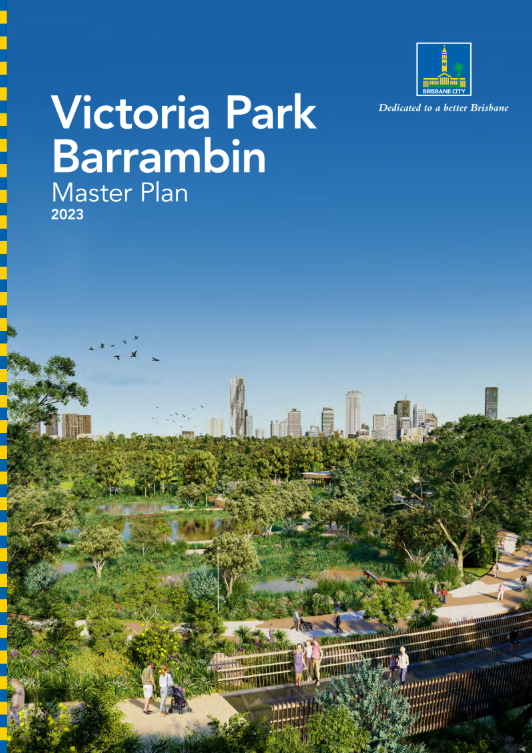
BCC Final Masterplan
“Barrambin and Walan were meeting and gathering places for groups travelling to and from other parts of South East Queensland, as well as dance and corroboree sites, and hunting and fishing lands for local Aboriginal people of Brisbane. The area now contained within Victoria Park / Barrambin was an extensive Aboriginal camp and is a significant European contact and cultural site”
(2023)
Cultural Heritage Report for Northern Link Busway
“York’s Hollow (Barrambin) is the most important Aboriginal cultural heritage site known within the Study Area… Certainly it is the place most frequently referred to in the literature concerning Aborigines and early Brisbane. It includes the area now covered by Victoria Park, the Brisbane General Hospital, and the RNA Exhibition Grounds.”
"At the time of European settlement the area, a series of lagoons and wetlands, was known as York’s Hollow and was a significant site for the Aboriginal people of the region”
“Victoria Park has also been identified as an important Aboriginal cultural heritage place”
(September 2008)
Cultural Heritage Report for Cross River Rail
"It is clear from the literary sources that York’s Hollow played an active role in the lives not only of the Brisbane Aborigines but also other groups within the Moreton Region.”
(November 2010)
Queensland Heritage Register
“Established at a site of cultural importance for Aboriginal people across the region, Victoria Park was granted to the Brisbane Municipal Council for use as a public park in 1864 and was formally gazetted as a recreation reserve in 1875, during the early period of the establishment of such reserves in Queensland.”
(August 2025)
Source: QLD Heritage Register
Brisbane City Council
“‘Barrambin’ or ‘windy place’ was used by some to describe York’s Hollow. Over many thousands of years and in more recent memory, Aboriginal people have lived here, gathered here, performed ceremony here, and cared for this country.”
(May 2022)
Source: Victoria Park / Barrambin Project Update
Public Signage
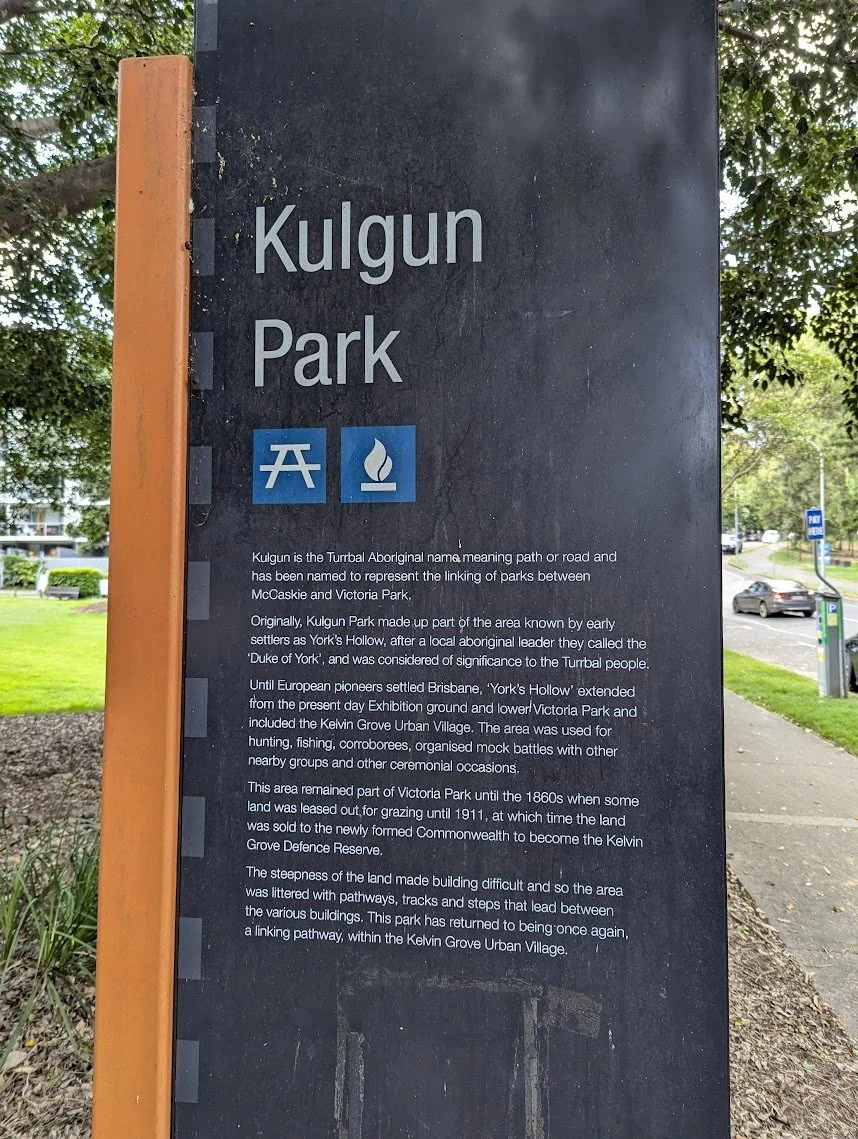
Kulgun Park Sign
“Originally, Kulgun Park made up part of the area known by early settlers as York’s Hollow, after a local aboriginal leader they called the ‘Duke of York,’ and was considered of significance… [sic]. The area was used for hunting, fishing, corroborees, organised mock battles with other nearby groups and other ceremonial occasions”
Historical Records
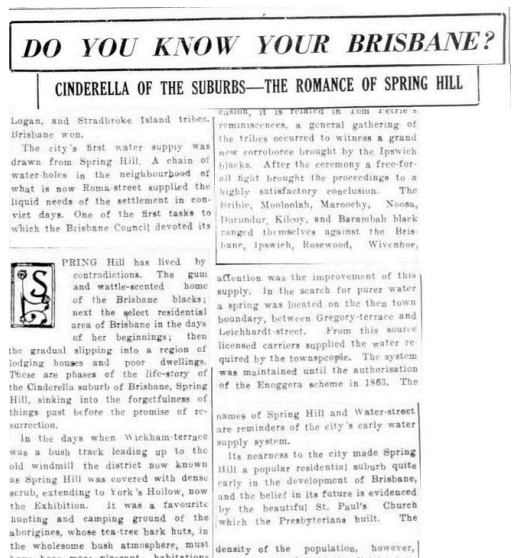
Archival News Article
“In the days when Wickham-terrace was a bush track leading up to the old windmill the district now known as Spring Hill was covered with dense scrub, extending to York's Hollow, now the Exhibition. It was a favourite hunting and camping ground of the aborigines, whose tea-tree bark huts, in the wholesome bush atmosphere, must have been more pleasant habitations than the stuffy dwellings with which the whites replaced them. As in later years, the district was once a regular battle-ground. Accounts of some of the aboriginal fights are stirring enough to arouse the admiration of the toughest larrikin of Spring Hill's worst days.”
Source: Trove
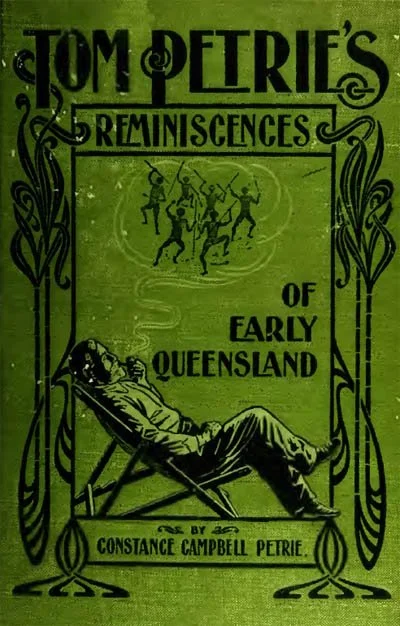
Tom Petrie’s Reminiscences of Early Queensland
“When my father was quite a boy he was sent once to look for some strayed cows to York's Hollow (the present Brisbane Exhibition Ground), which was all wild bush, and was a great fighting ground for the blacks. At the time of which I speak the blacks were all camped there”
(1904)
Source: Project Gutenberg
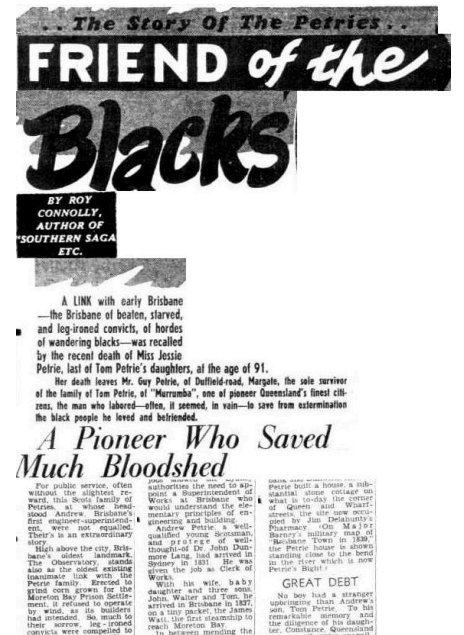
Archival News Article
“Tom Petrie played as a child with the black children who lived on the outskirts of the Settlement, had seen their ceremonial battles in York Hollow”
(Truth, Sunday 5 September 1954, page 25)
Source: Trove