MEET THE BARRAMBIN SPRINGS
The Barrambin Victoria Park springs remain rare survivors - a functioning spring-fed natural watercourse sustained by groundwater storage in an aquifer under the parkland. The persistence of this system is extremely rare in an urban environment and gives the entire park hydrological, ecological, cultural and historical significance.
An independent hydrogeological assessment confirms a natural freshwater spring system still flows beneath Barrambin Victoria Park.
Today, almost all inner-city springs in Australia have been drained, buried or diverted. The Barrambin Victoria Park springs are the sole survivors in inner-city Brisbane, making them special and worth protecting.
Hydrogeological assessment indicates that large-scale infrastructure over the springs or its catchment areas could permanently terminate the system.
“Springs are places where anomalies within the geology and hydrology create an unusual or “special” place within the landscape where water naturally “springs” to the surface. They are therefore places of gathering, where wildlife and people congregate around a sustaining discharge worthy of respect and protection. Being a continuous gathering place, over time they can become revered and spiritual places.” Ned Hamer
The Science Behind Barrambin Springs
In December 2025, Brisbane-based Hydrogeologist, Ned Hamer completed an extensive hydrogeological assessment of Barrambin Victoria Park and the impacts that the proposed Olympics infrastructure may have on hydrological features of the area.
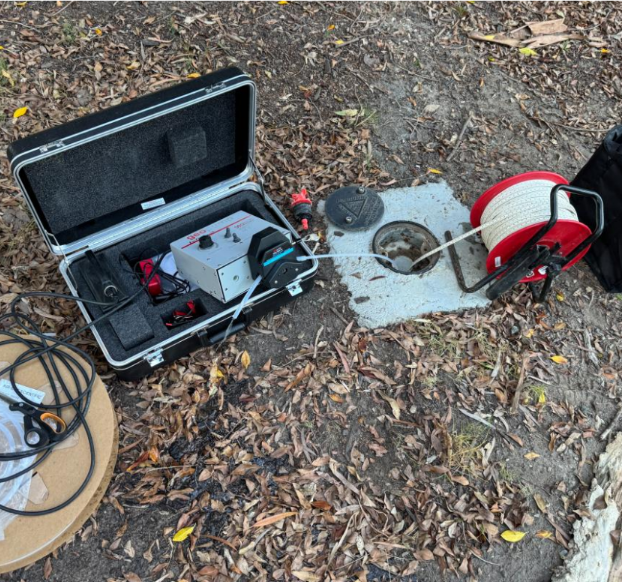
The scope involved comprehensive desktop historical research, site visits and fieldwork, including the collection of water samples for chemical analyses.
Parts of an Active Spring System
When we talk about springs, we’re not just talking about the water you can see. A functioning spring depends on three connected parts -
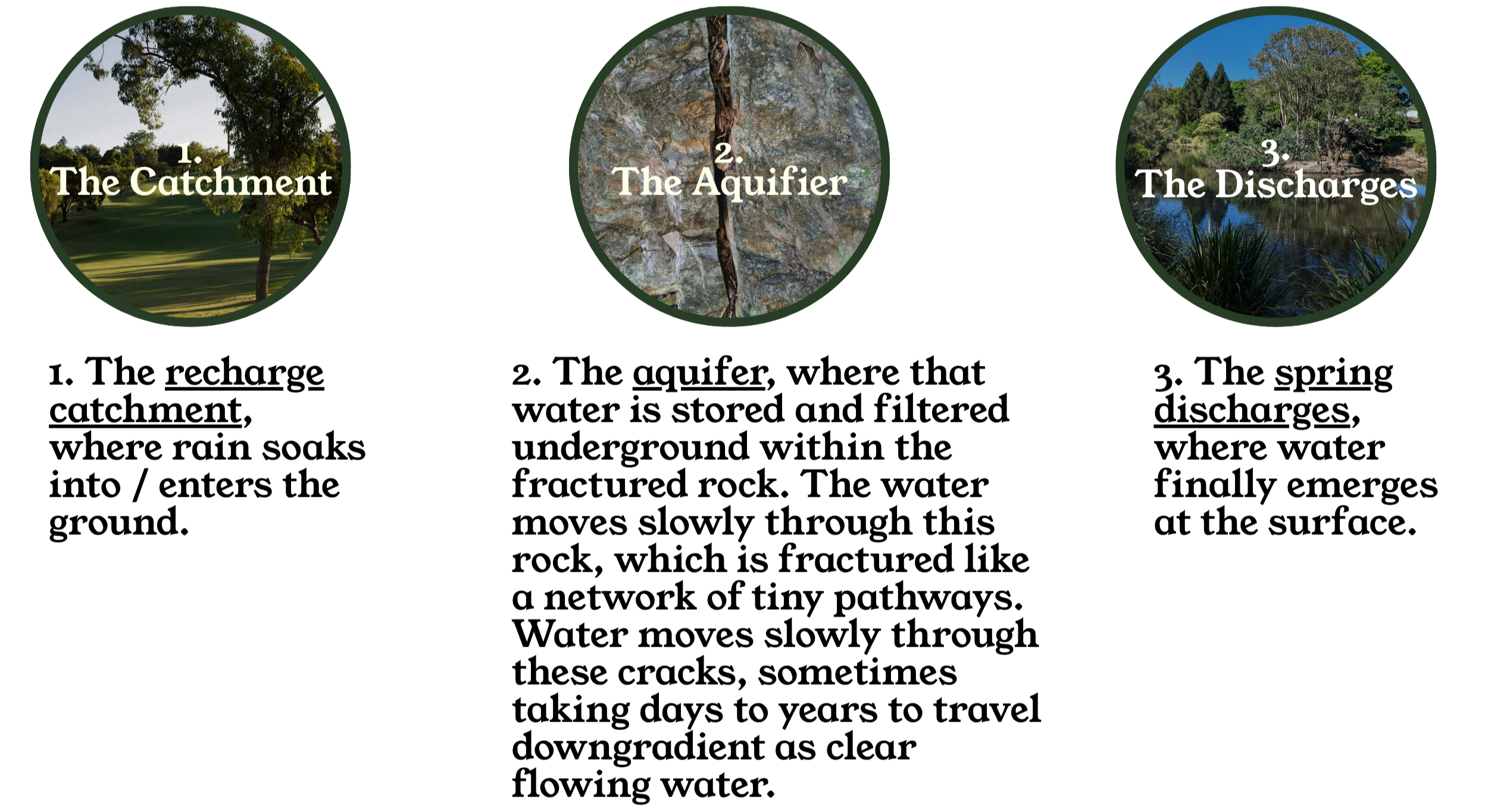
Together, the open green, recharge catchment, the underlying fractured rock aquifer and the natural shape of the landscape - its steep hills and valleys - form a interconnected and interdependent system. This confluence of physical features creates the precise conditions needed for a freshwater spring to exist. It is not just water appearing at the surface; it is the outcome of landscape, geology and rainfall working together over time. Combinations like this are rare in modern cities. Springs were once critical to human survival, which is why they hold such enduring cultural and spiritual significance around the world. If any one part of this system is disrupted, the ecology supported by the spring can no longer function properly.
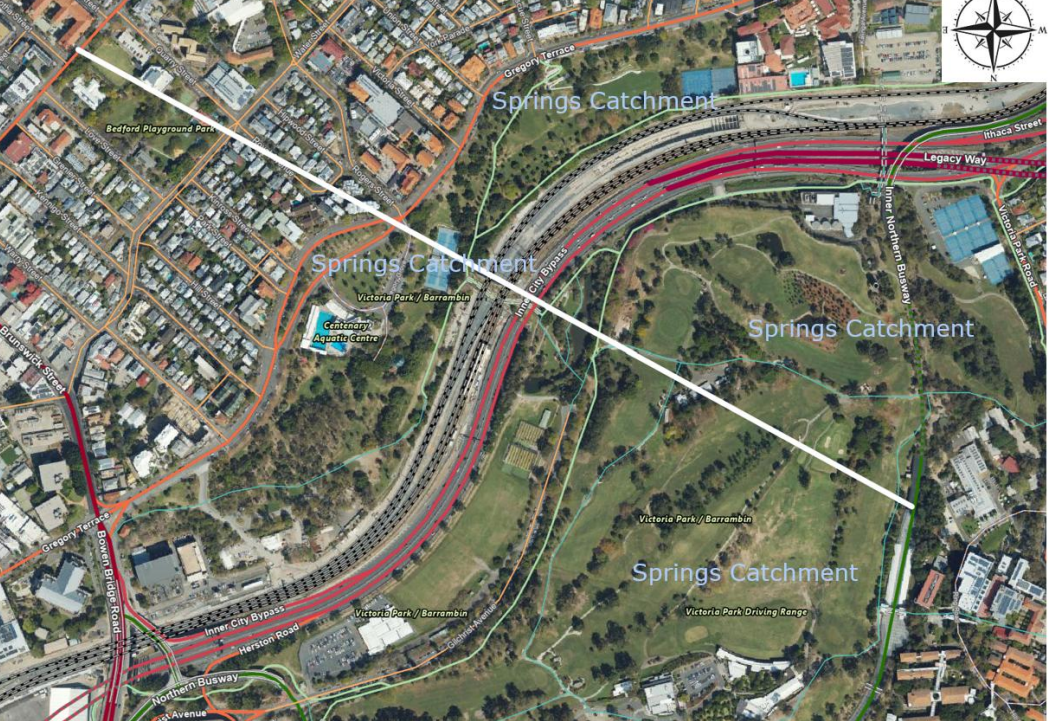
At Barrambin Victoria Park, the ENTIRE northern (Herston) and southern (Spring Hill) sides of the park act as a recharge catchment for the Barrambin Springs.
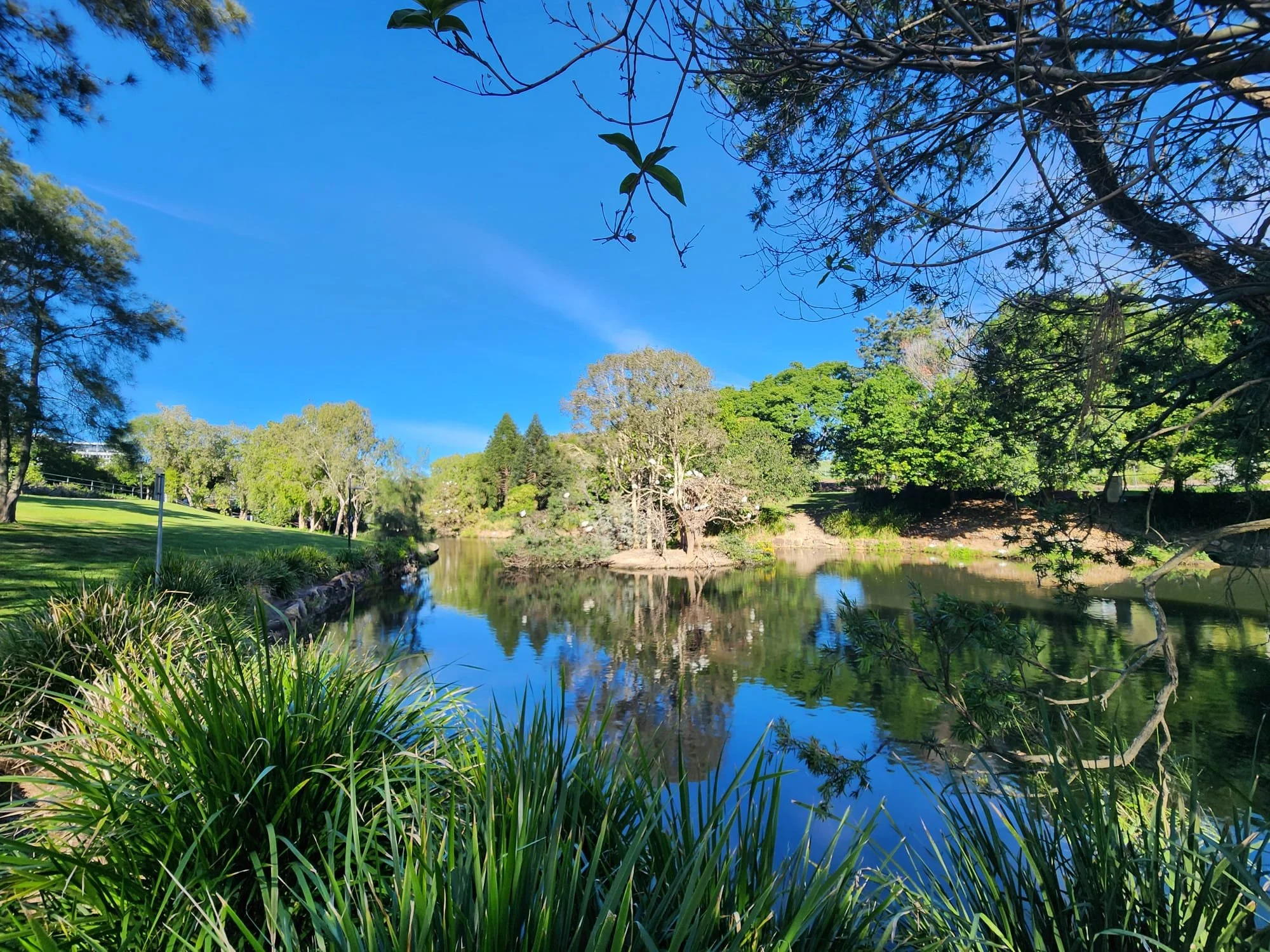
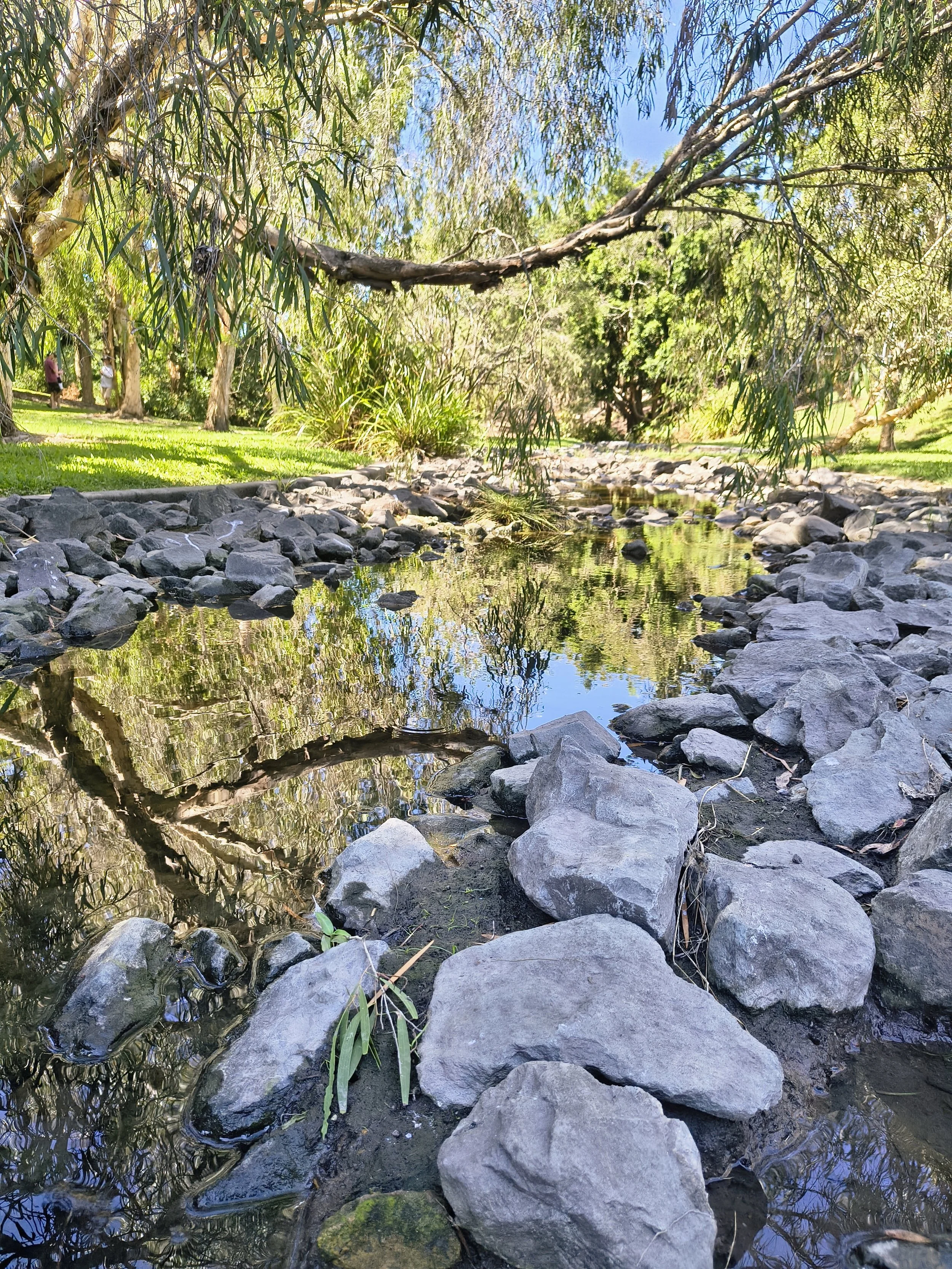
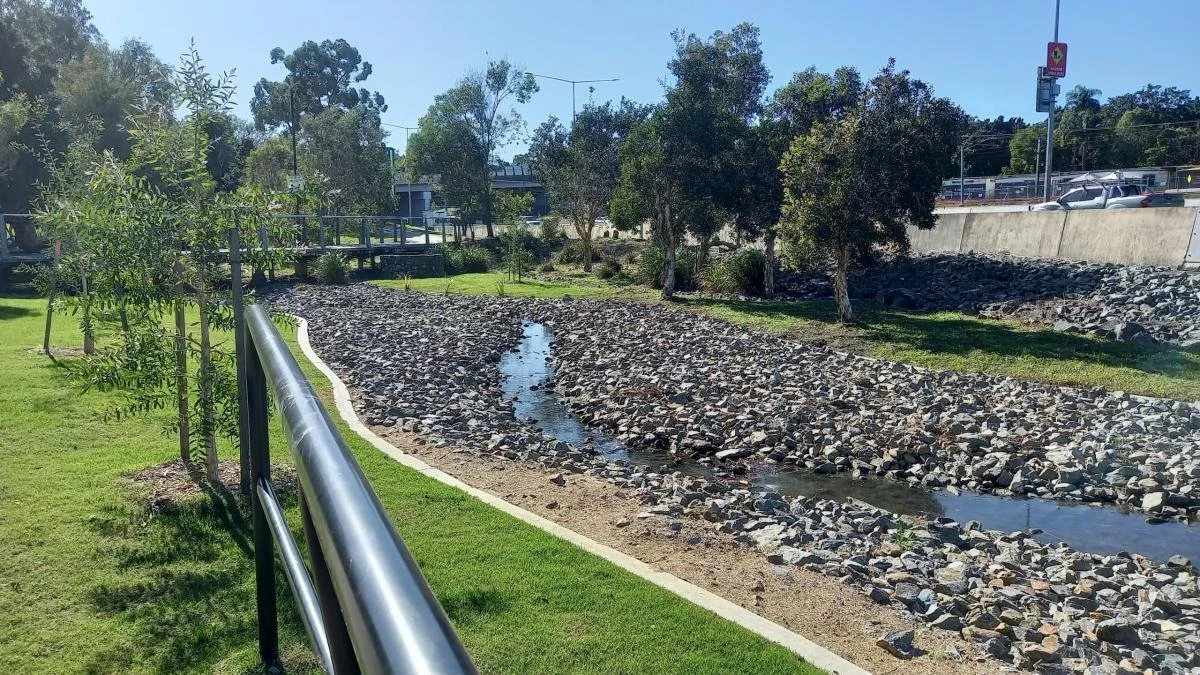
There are multiple discharge points for the springs including the lake at York’s Hollow.
The aquifer also stores the water and releases it gradually, allowing the flow to continue even after long dry periods. This slow release is important. Rather than all rainfall moving at once, the intricate rock aquifer pathways and aquifer storage delay it - spreading water flows over time and reducing sudden flows.
The springs exist because the land around it absorbs water. Remove that absorption, and the spring stops.
“The broader Barrambin Victoria Park open land forms a critical rainfall catchment area for the springs” - Ned Hamer
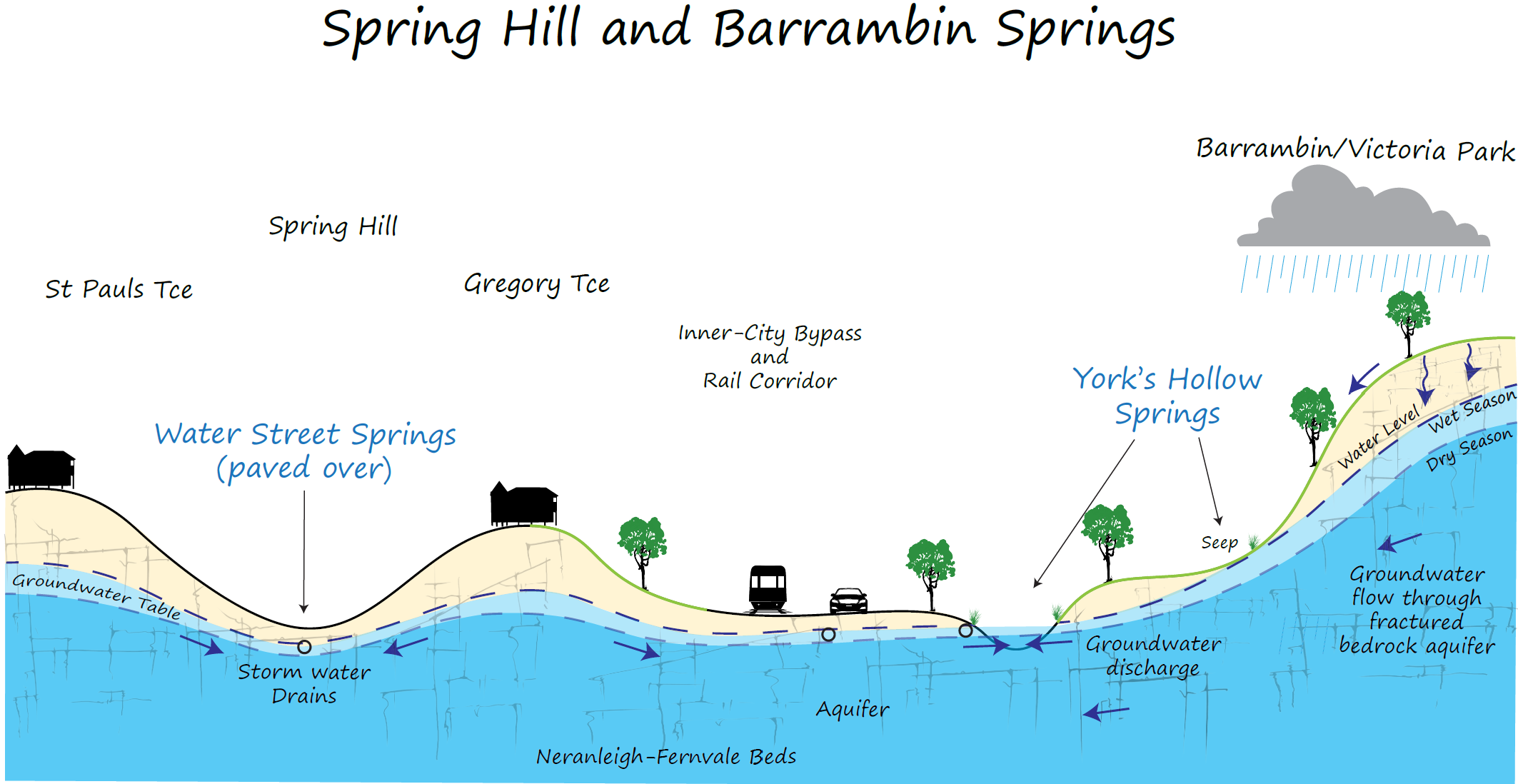
*Modified from QLD Government DETSI, 2016 – Springs in the Cumulative Management Area. Not to scale. This is a simplification and is one interpretation of a complex system.
In Conversation: Ned Hamer and Professor Rod Fensham
The Springs of Inner City Brisbane
Understanding the Spring’s Aquifer System
How the Barrambin Springs Have Survived
Significance of Barrambin Springs
Why the Springs are Important + Impact of Olympic Development
A City Built on Springs
Brisbane’s springs are at the heart of our city’s story.
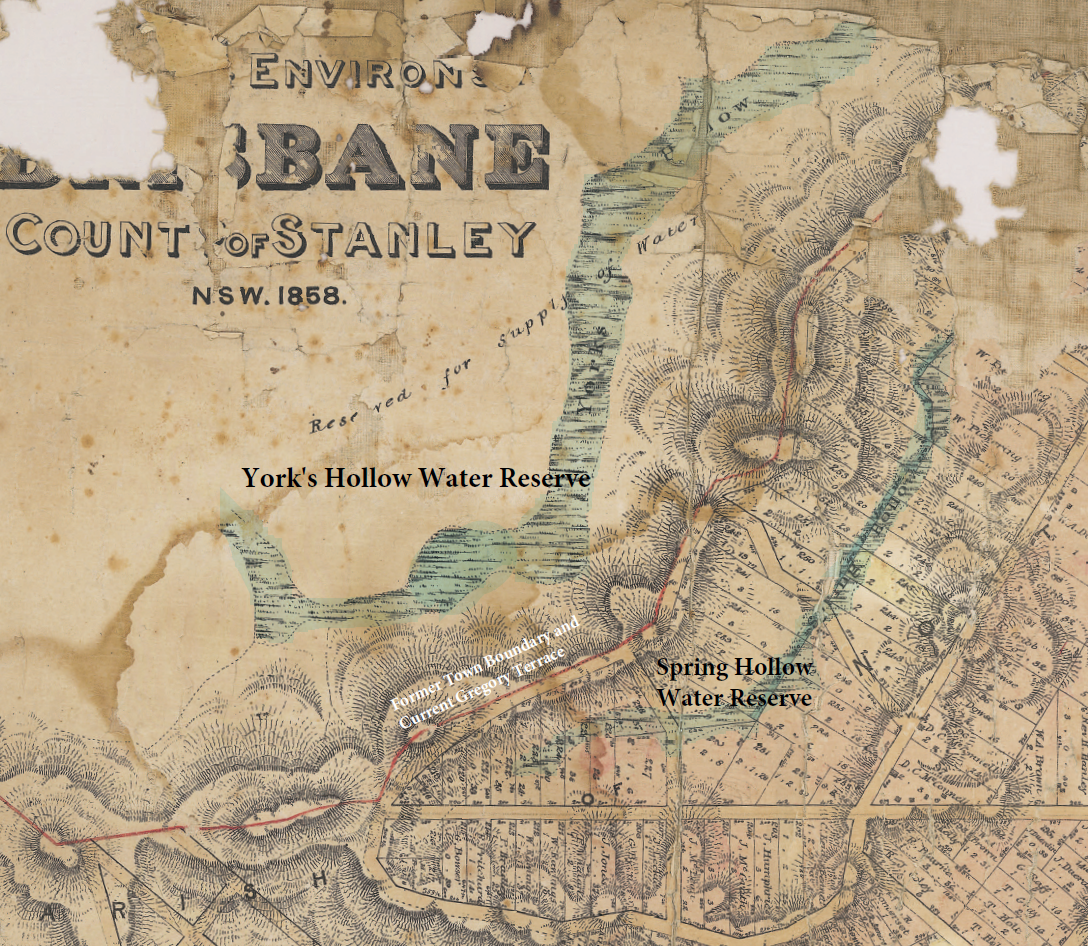
Historical records and maps show pristine spring-fed water holes existed across inner Brisbane at the time of European arrival, in areas now known as Roma Street, Milton, Spring Hill and Barrambin Victoria Park. Clear and beautiful, these watercourses were among the key reasons the area was chosen for the establishment of a new colony and became a popular tourist attraction for people visiting the city at the time.
Sadly, most of the springs in Brisbane’s CBD are now consigned to the history books – their catchment sources and outlets filled, paved over and long forgotten – with the exception of Barrambin. This hydrological survivor is an invaluable remnant characteristic of what was once a stunning and unique feature of this city. It’s a key part of the tale of how this town came to be, holding undeniable significance in our geological, cultural and historical identity. Once destroyed, we can never get it back.
The Future of Barrambin Springs Hangs in the Balance
The State Government’s current proposal to build two major Olympic stadiums on Barrambin Victoria Park – a 63,000-seat AFL venue and a 25,000-seat National Aquatic Centre), plus hard surface surrounding infrastructure (roads, bridges, retaining walls, warm up tracks, car parks, restaurants and bars) will severely jeopardise the future of Barrambin Springs. A freshwater spring is unlikely to survive if large swathes of its catchment area are smothered with concrete and roofs. While the unique hydrogeology of Barrambin Victoria Park has already been heavily modified, remarkably its springs still flow. This is a historical, cultural and natural treasure for the city of Brisbane – and there is still time to protect it.
“It’s a heavily modified system, but remarkably it’s still intact. It’s survived. It was once a magnificent feature of Brisbane… but it’s diminished. We have very little left of the springs system as it is, so it’s important not just to retain what we’ve got now, but to enhance the catchment area to slow down water and extend, rehabilitate and rewild the springs and waterway. Taking any of the source - let alone 60-70% of the source of the flow to the springs - is unacceptable, when there are other alternatives.” - Ned Hamer
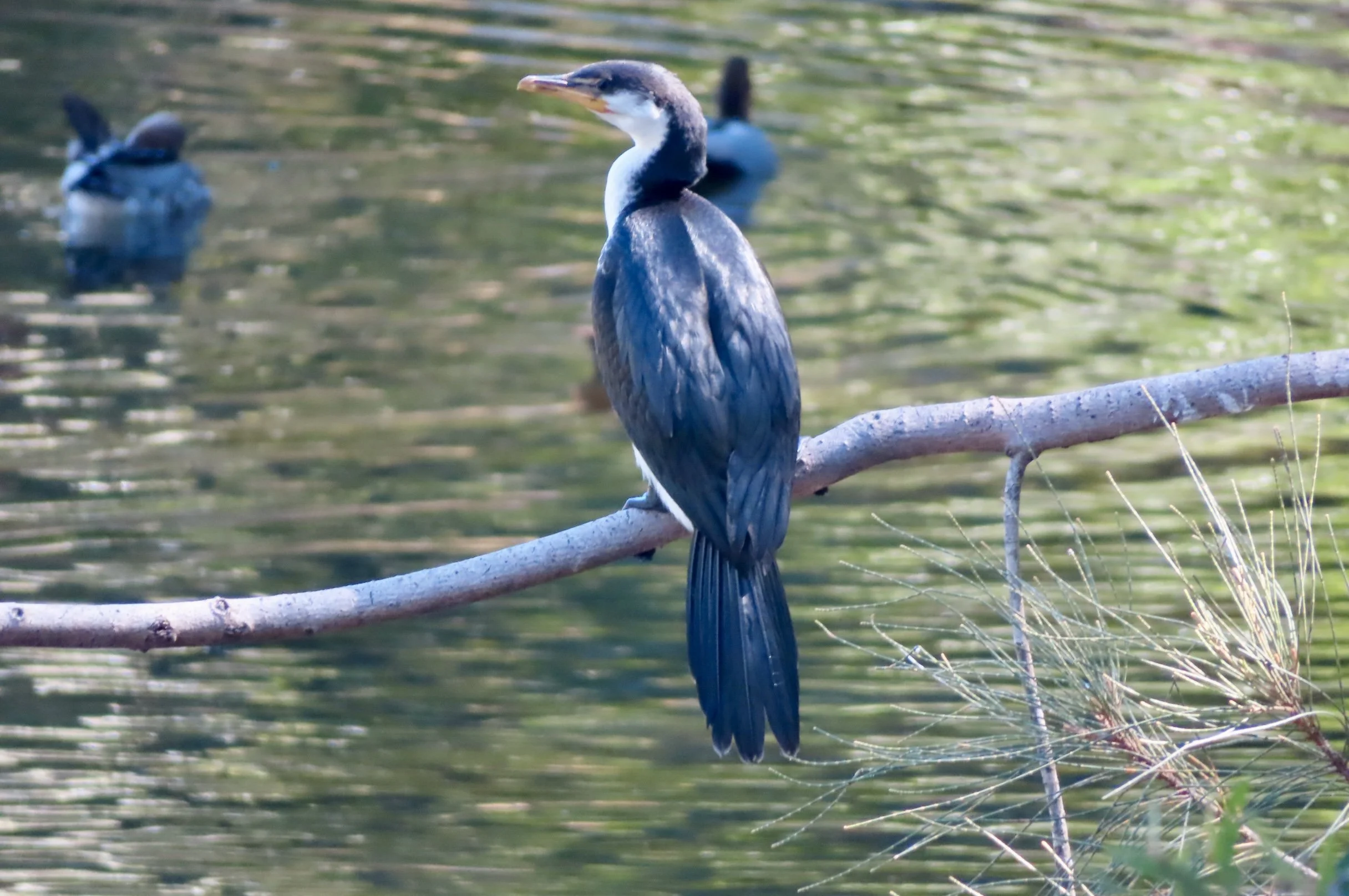
Pied Cormorants Fishing in Lake Barrambin
One of Many Spring Discharges in the Park Where Spring Water Emerges
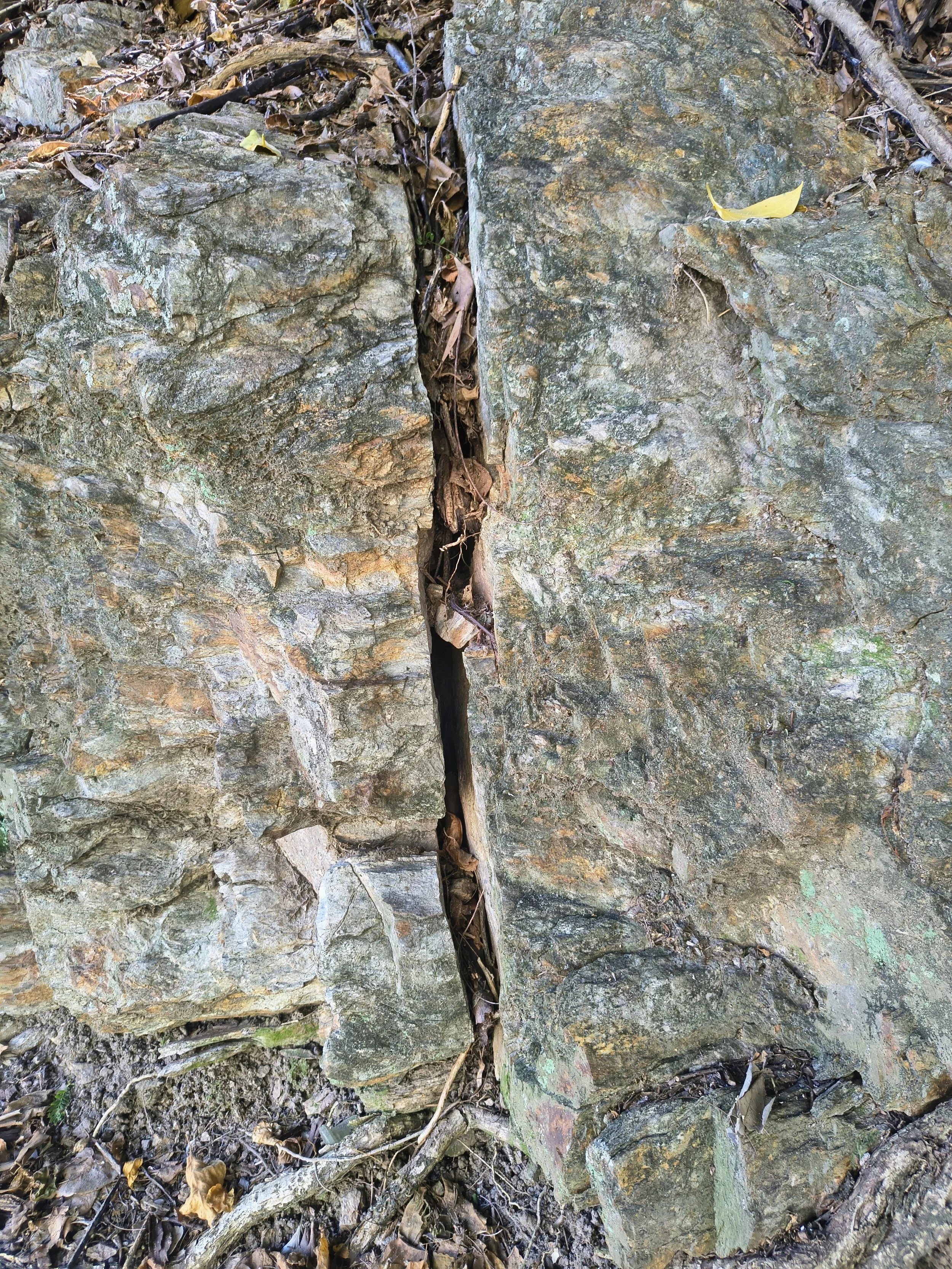
Preferential Pathways in Rock at Barrambin Victoria Park
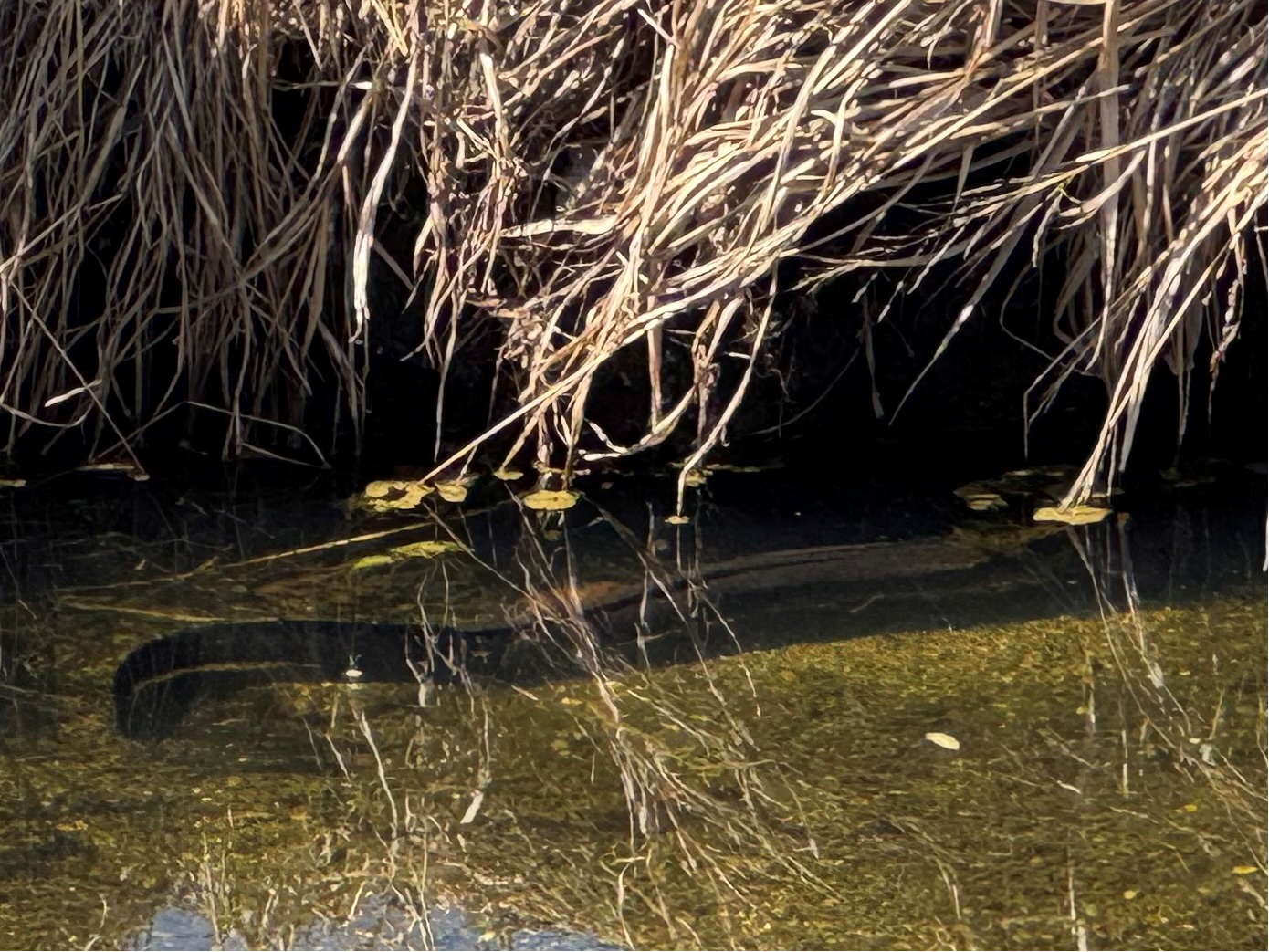
Freshwater Eel at Barrambin Victoria Park
READ THE FULL REPORT NOW
Author of the Report
Ned Hamer
Ned holds a BSc (Hons 1 - Hydrogeology) and has 31 years’ experience as a practicing hydrogeologist, having carried out groundwater supply projects and groundwater impacts assessments throughout Australia, Asia, the South Pacific, the United Kingdom, Europe, the former Soviet Republics and North Africa. Ned is born and bred in Brisbane, is a sports and Olympics “tragic” supporter but questions the poor venue impacts assessment process.
Masterplan
The Brisbane City Council (BCC) Masterplan for Barrambin Victoria Park was developed over four years (2019–2023) following extensive community consultation, with more than 80,000 people contributing ideas and feedback. The resulting plan set out a clear vision: to restore and re-wild the park and return it to the people of Brisbane as public parkland, consistent with its original purpose when it was gazetted in 1875.
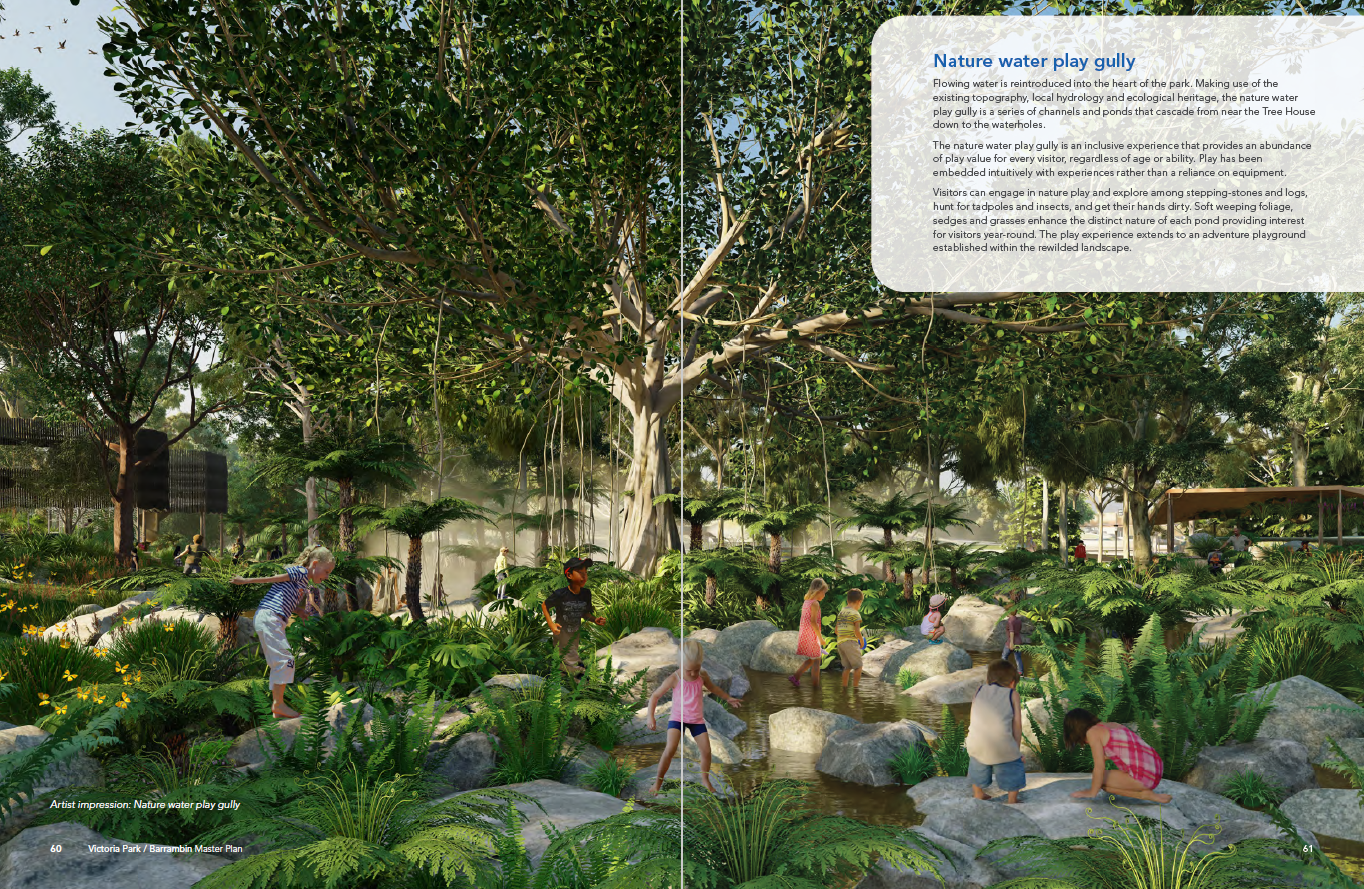
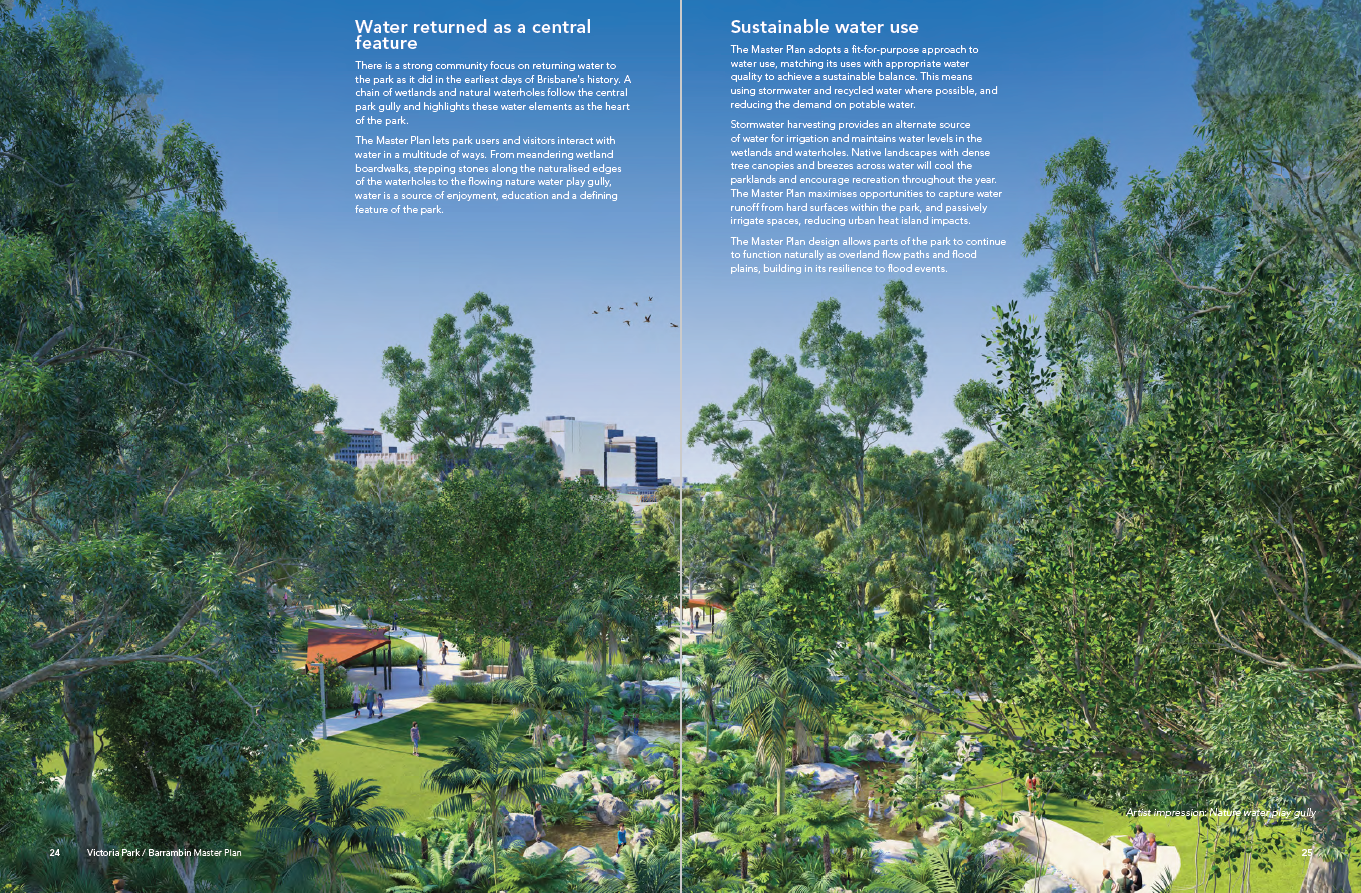
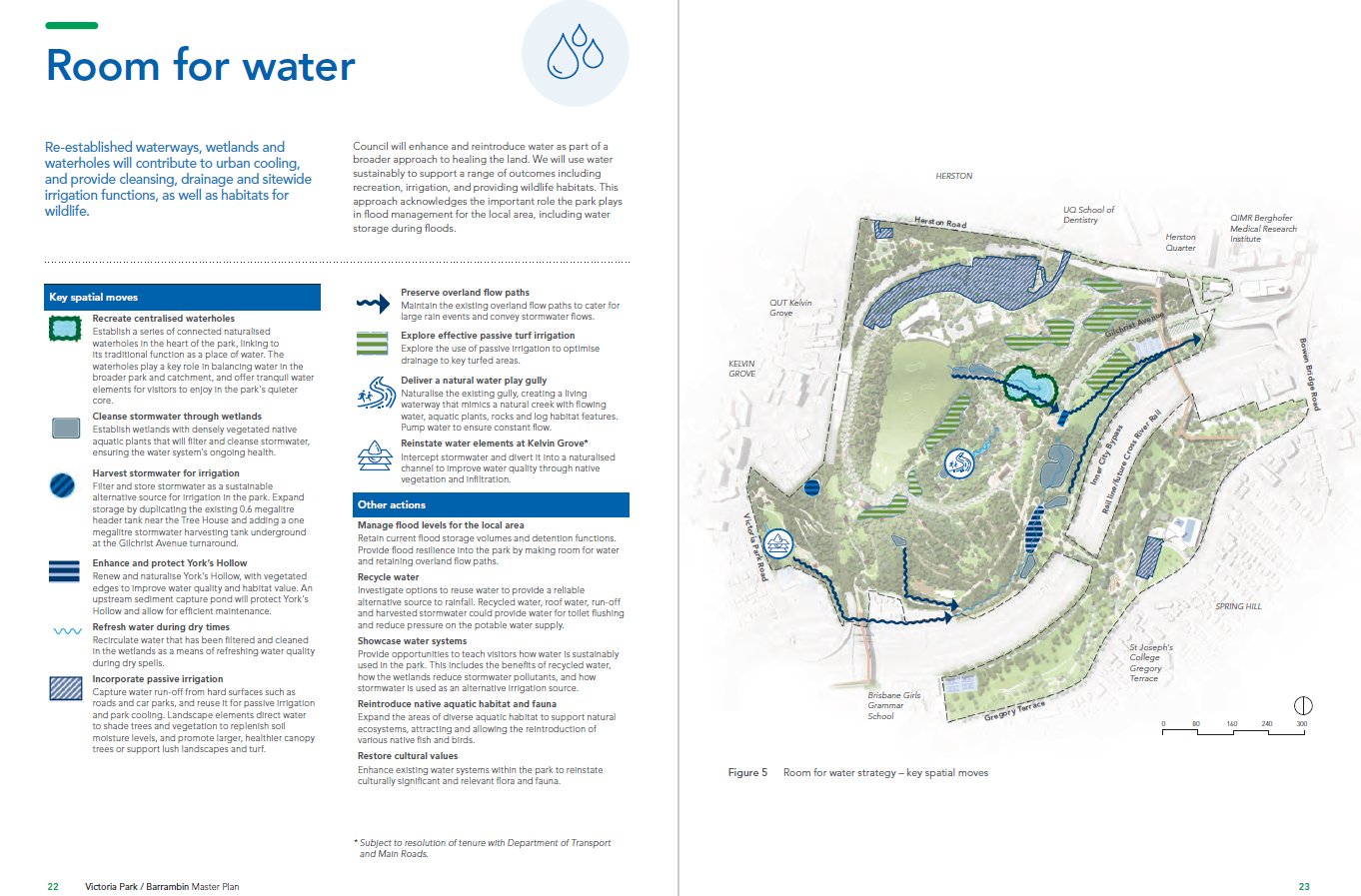
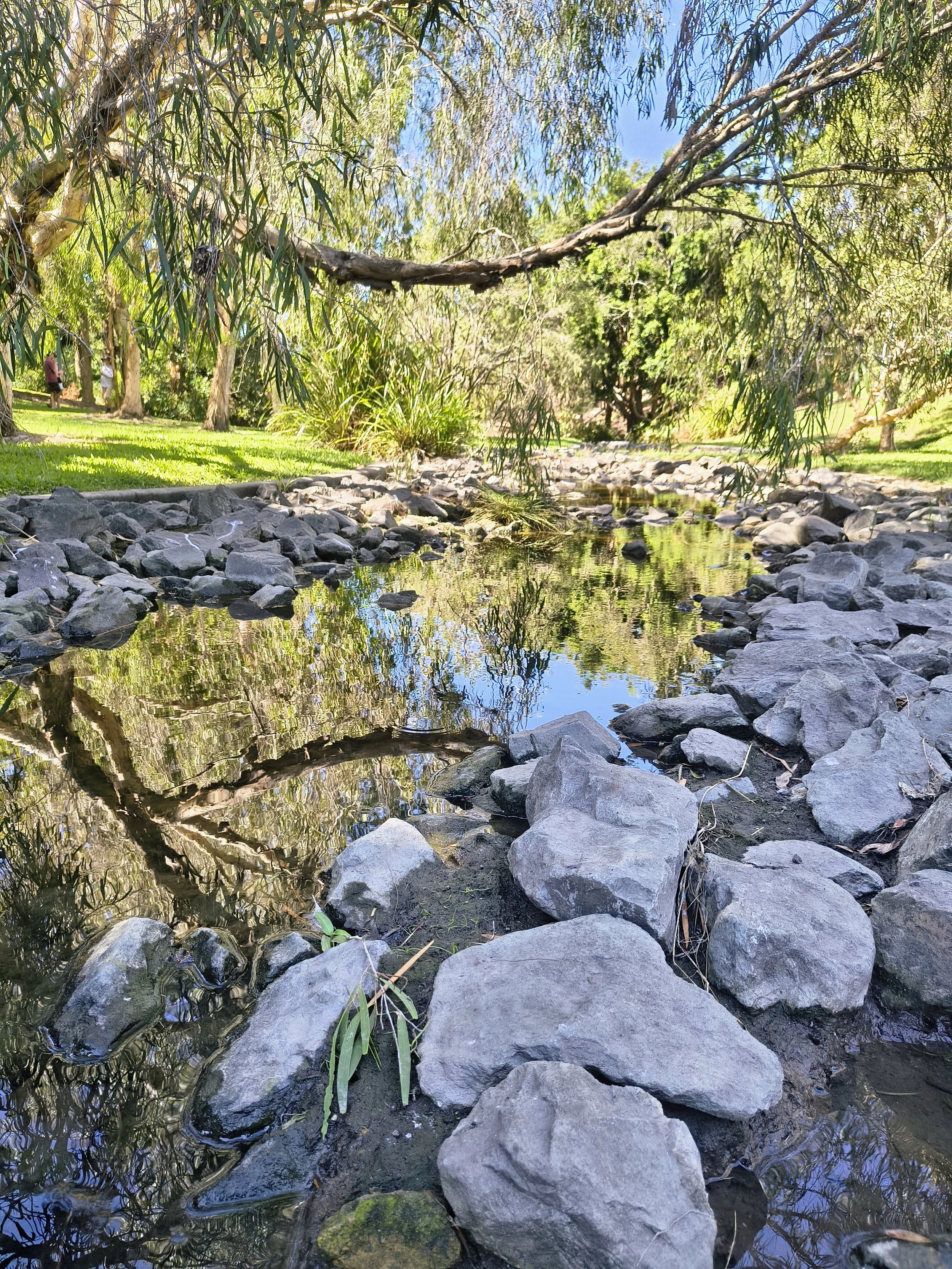
Water was central to that vision. The Masterplan recognised the site’s hydrological significance and proposed initiatives including a nature water-play gully and the restoration of York’s Hollow waterholes. Below are excerpts from the Masterplan that illustrate this focus.
“There is a strong community focus on returning water to the park as it did in the earliest days of Brisbane's history. A chain of wetlands and natural waterholes follow the central park gully and highlights these water elements as the heart of the park” (Brisbane City Council Masterplan, 2023)