
PLAN B REPORT
Brisbane 2032 Olympic & Paralympic Infrastructure
Prepared for: Games Watchdog 2032
May 2026
Media Statement for immediate release
Plan B: A Smarter, Greener, Fairer Olympic Blueprint to Save Queensland from a Fiscal Disaster
BRISBANE, 26th of May 2026 - As Queensland faces rising construction costs, severe labour shortages, and mounting public debt, the current delivery plan for the Brisbane 2032 Olympic and Paralympic Games has drifted into high-risk, multi-billion-dollar megaprojects that jeopardise the state's future.
Today, Games Watchdog 2032 presents the Plan B Report - a comprehensive, expert-backed course correction that abandons the government's risky greenfield builds in favour of common sense, fiscal discipline, and the intelligent reuse of existing venues.
The Plan B Report reveals that the government's current delivery landscape is fundamentally misaligned with Queensland's real-world capacity. In response, Plan B offers a responsible pathway forward that protects taxpayers and avoids creating unattainable assets.
Key Highlights of the Plan B Report:
•Stopping the Victoria Park Megaprojects: The government's plan for a new 63,000-seat stadium and a 25,000-seat National Aquatic Centre at Victoria Park lacks a clear democratic mandate and faces severe engineering, transport, and environmental constraints. Plan B halts this unnecessary destruction of green space by relocating athletics to a renovated QSAC and utilises the existing Gold Coast Aquatic Centre for swimming.
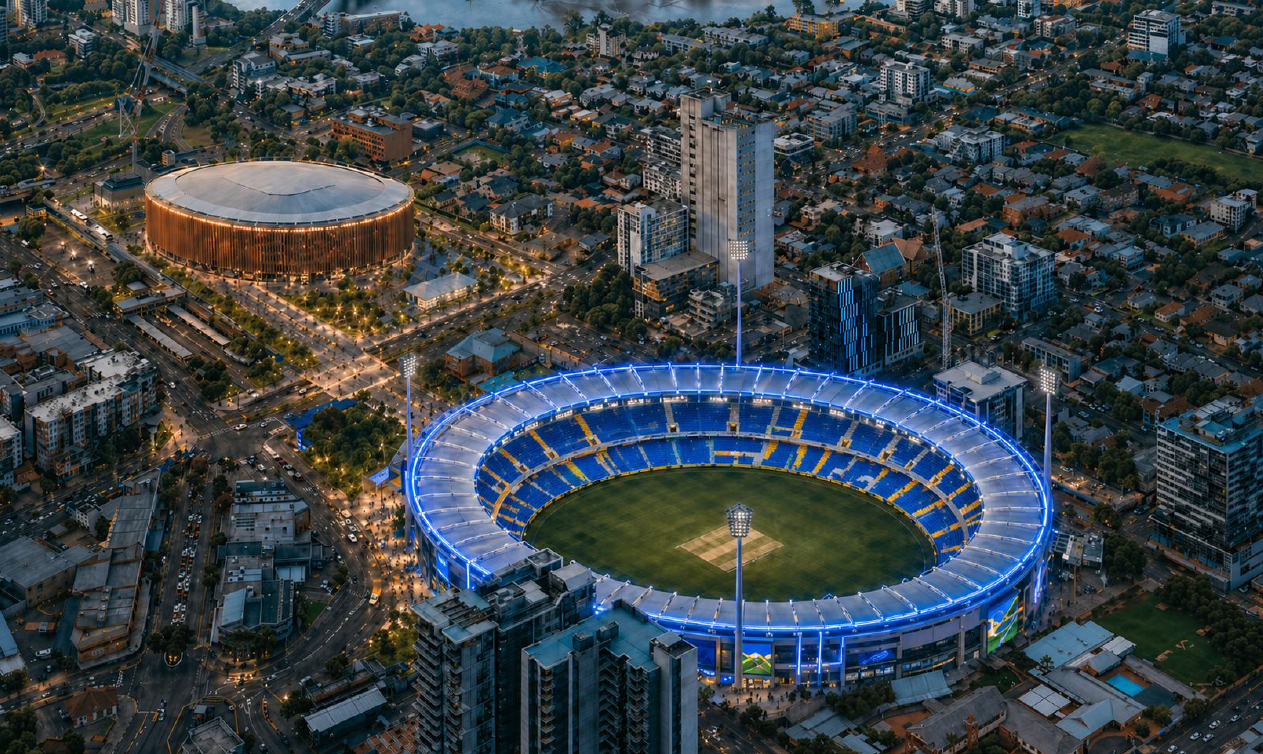
•Saving the Gabba: Claims that the Gabba is at the end of its useful life are false; the stadium was designed with a 100-year structural lifespan. Plan B advocates for a modest, targeted renovation of the Gabba, protecting a cherished community asset while leveraging the new $1 billion Cross River Rail station without wasting taxpayer dollars on a demolition.
•Protecting Renters from Olympic Evictions: The government’s current plan relies heavily on a "Shadow Inventory" of short-term rentals to cover a massive 88,500-room shortfall, risking severe rent spikes and the displacement of vulnerable tenants. Plan B provides a practical alternative by utilising existing student accommodation across major university campuses, such as the former Griffith University Mount Gravatt campus, completely eliminating the need for disruptive, high-density athlete villages.
•Ending Environmental Vandalism in the Redlands: The proposed Redland Whitewater Centre threatens endangered koala habitats and sits on a flood plain adjacent to significant state heritage sites. Plan B completely bypasses these severe environmental risks by utilising the world-class, ready-made Penrith Whitewater Stadium in New South Wales, immediately eliminating hundreds of millions in capital expenditure.
•Honouring the "New Norm" Promise: The government's pivot toward high-risk stadium builds directly violates the International Olympic Committee's "New Norm" principles and the commitments made in the original Host City Contract. Plan B strictly adheres to these binding obligations by mandating the use of existing brownfield venues and temporary seating, ensuring the Games are delivered responsibly.
Queensland is projected to face a shortfall of over 50,000 skilled construction workers during the peak Olympic build period. Attempting to construct massive new stadiums in this overheated market is not just economically irresponsible - it is practically impossible.
Plan B is not a step backwards; it is a necessary course correction. It ensures that the 2032 Olympics will be remembered for strengthening communities and delivering a responsible legacy, rather than leaving future generations of Queenslanders with unrepayable debt.